

As a passionate travel blogger, my journey is driven by the quest for destinations that rejuvenate the soul, ignite a sense of adventure and remind us of the boundless beauty our planet has to offer. Right in the vibrant heart of Nairobi lies an unexpected green haven Karura Forest. Spanning over 1,000 hectares, Karura is one of the largest urban gazetted forests in the world. It stands as a shining testament to nature conservation, environmental resilience and green living.If you are looking to escape the hustle and bustle of city life without leaving town, let me take you through my unforgettable journey into Karura’s magical canopy.
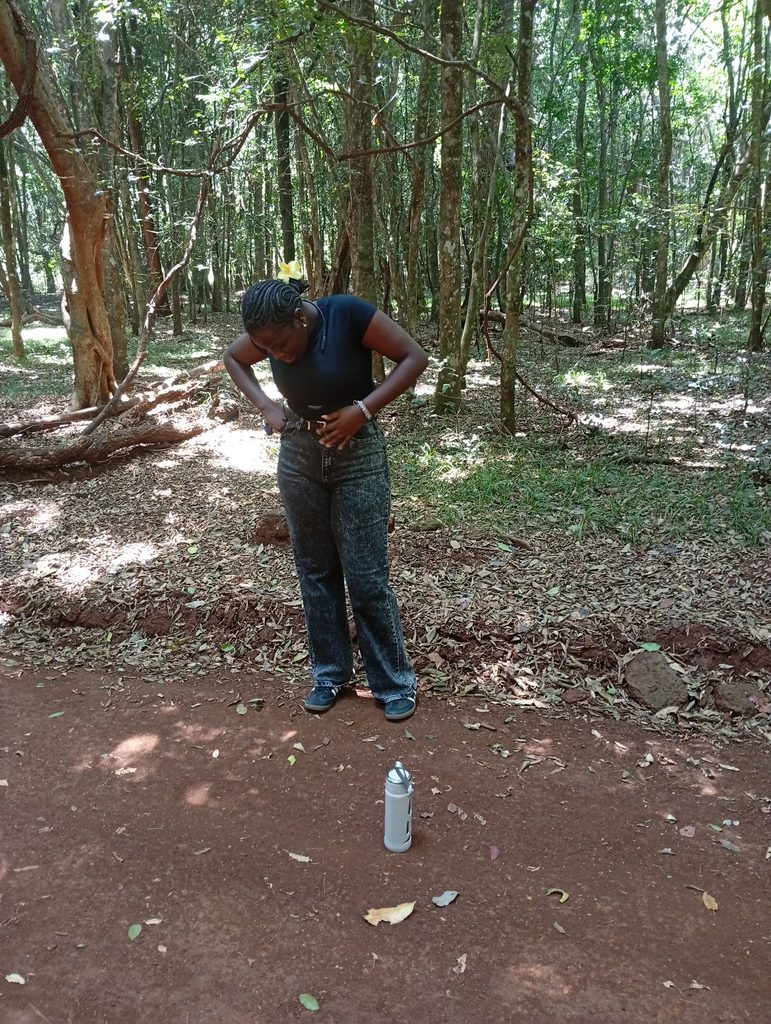
First Impressions: Stepping into an Urban Jungle
Entering through Main Gate A along Limuru Road, the transition from urban traffic to cool forest air is instantaneous. The tall eucalyptus, indigenous trees and dense undergrowth filter out city sounds, replacing them with a soothing natural symphony: rustling leaves, chirping birds and the gentle chatter of blue monkeys leaping through the canopy.
Karura Forest is meticulously managed by the Kenya Forest Service (KFS) in partnership with the Friends of Karura Forest (FKF). The moment you step inside, you are welcomed by pristine pathways, well-marked trail signs and friendly security personnel who ensure every visitor feels safe and oriented.
Highlights of My Adventure: Top Attractions in Karura
Karura Forest is packed with natural wonders and historic sites. During my trek along the 15-kilometer trail network, several key landmarks took my breath away:
- The Karura Waterfalls: Tucked deep within the forest along the river trail, the Karura Waterfall is a magnificent 15-meter natural drop. Standing on the wooden viewing platform while taking in the mist and listening to the rushing water is a deeply refreshing experience. It is the ultimate spot for photo sessions, quiet reflection or a mid-hike breather.
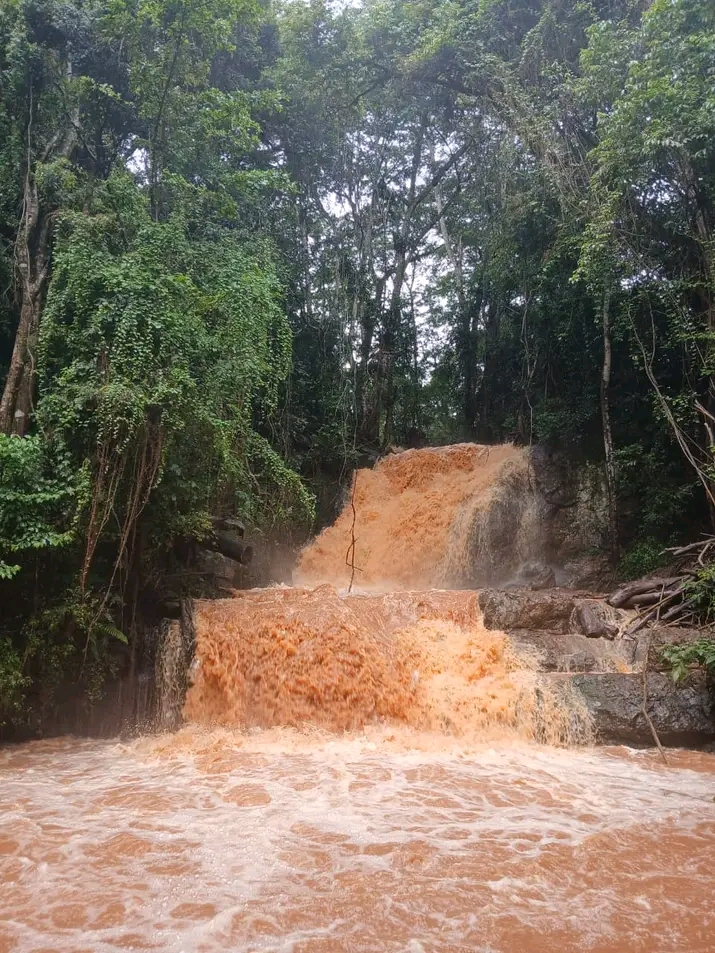
- The Historic Mau Mau Caves: For history buffs, Karura offers a profound journey into Kenya’s past. Nestled near the waterfall are the historic Mau Mau Caves. Used as hideouts and sacred meeting places by freedom fighters during the struggle for independence in the 1950s, these natural stone formations bring a deep sense of historical heritage to your forest trek.
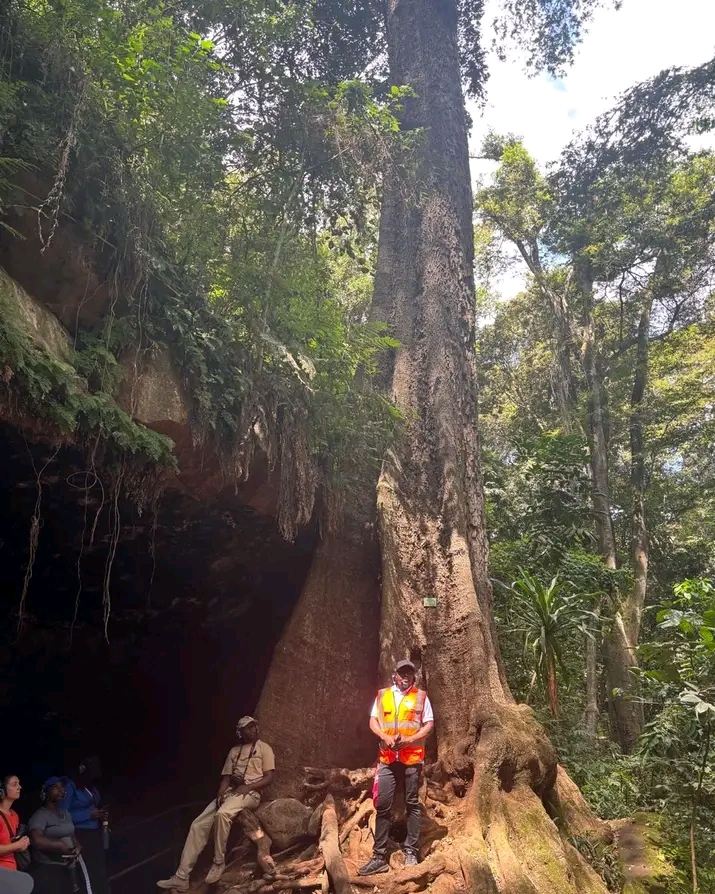
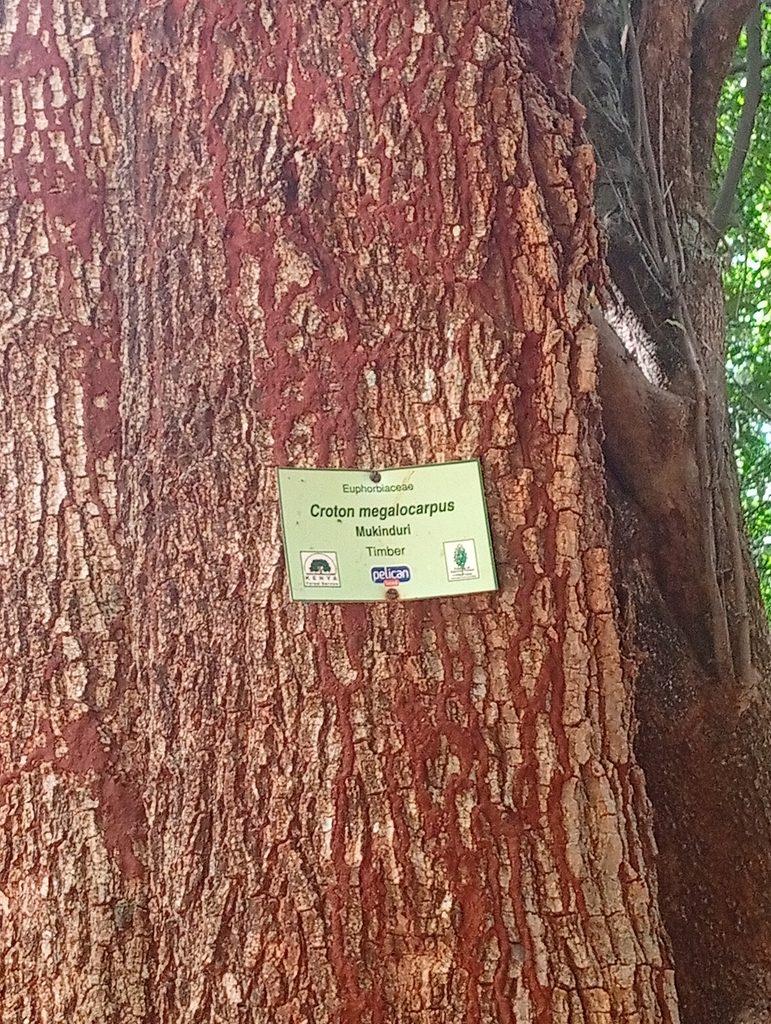
- The Sacred Fig Tree (Mathenge Tree): Standing tall near the river trail, the ancient Sacred Fig Tree (Ficus sur) is a magnificent natural monument. Deeply revered in local culture and traditional history, its sprawling roots and towering canopy offer a humbling look into the longevity of nature.
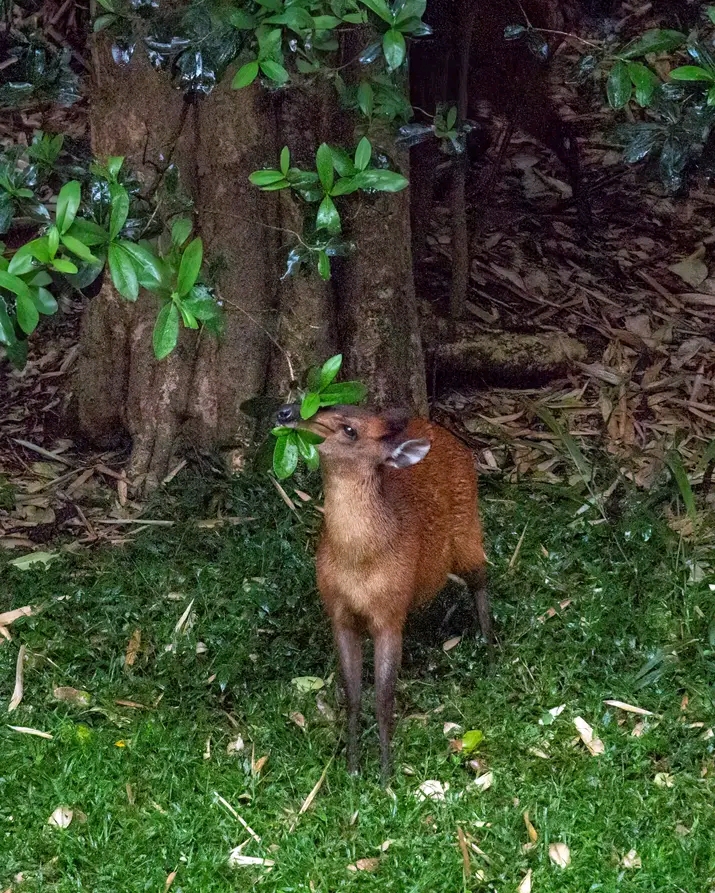
- The Bamboo Sanctuary & Riverine Trails: Walking through the Bamboo Forest feels like stepping onto a cinematic set. Sunlight filters through tall, golden bamboo stalks, casting soft shadows across the path. The riverine trails run parallel to the pristine Karura River, offering chances to spot butterflies, bushbucks and vibrant birdlife.
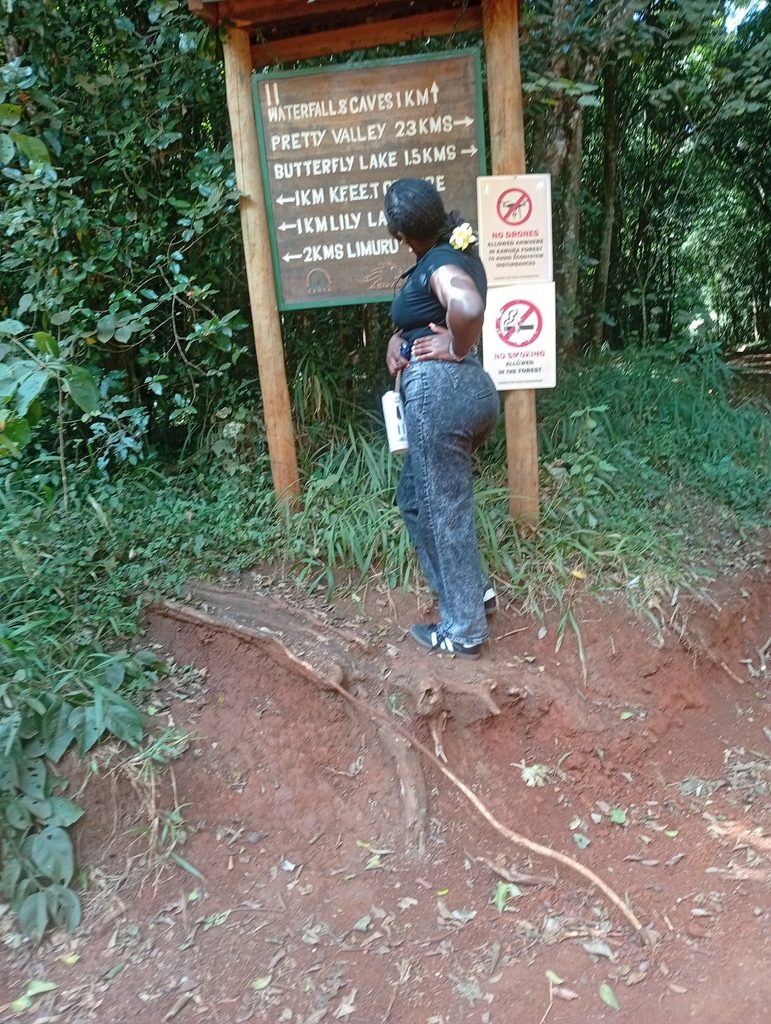
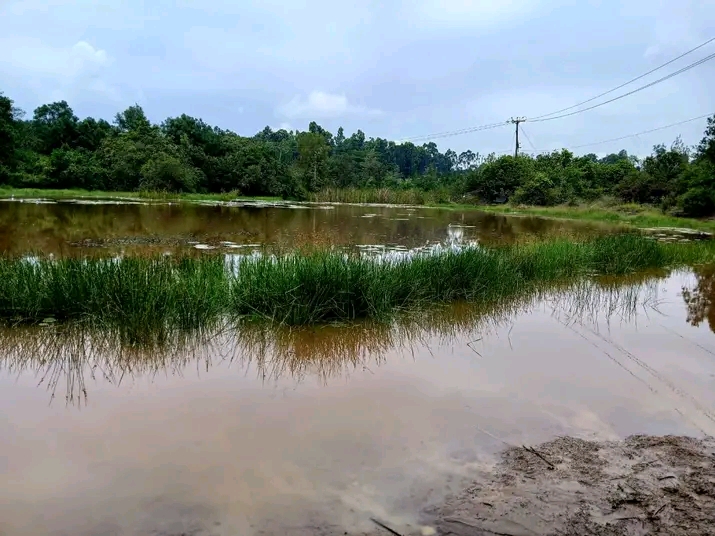
- Lily Lake & The Dragonfly Trail: For a tranquil moment, head over to Lily Lake near Gate C (Kiambu Road). Covered with serene water lilies and framed by lush vegetation, this quiet spot is ideal for bird watching, reading or enjoying a quiet moment in nature.
World-Class Facilities & Outdoor Activities
Karura Forest caters to every type of adventurer, whether you are looking for an intense workout or a relaxed weekend outing:
- Cycling & Bike Rentals: Don’t have your own bike? No problem! You can rent sturdy mountain bikes directly at Gate A (Limuru Road) or Gate C (Kiambu Road) and explore over 50 kilometers of marked biking trails.
- Jogging & Walking Trails: Clearly color-coded trails (5 km, 10 km, and 15 km loops) make navigating easy for runners, casual walkers and dog walkers.
- Eco-Friendly Picnics: Designated picnic areas such as the Sigiria Picnic Site and the KFEET Grounds provide wooden benches, manicured lawns and clean waste bins perfect for family lunches or group gatherings.
- The River Cafe: For a fine-dining experience surrounded by nature, The River Cafe offers an exceptional wooden deck menu featuring fresh gourmet meals, cold beverages and artisanal coffee overlooking the forest floor.
- Tennis Courts & Events Grounds: Well-maintained clay tennis courts are available for sports enthusiasts, while large lawns cater to outdoor weddings, team-building retreats and yoga sessions.
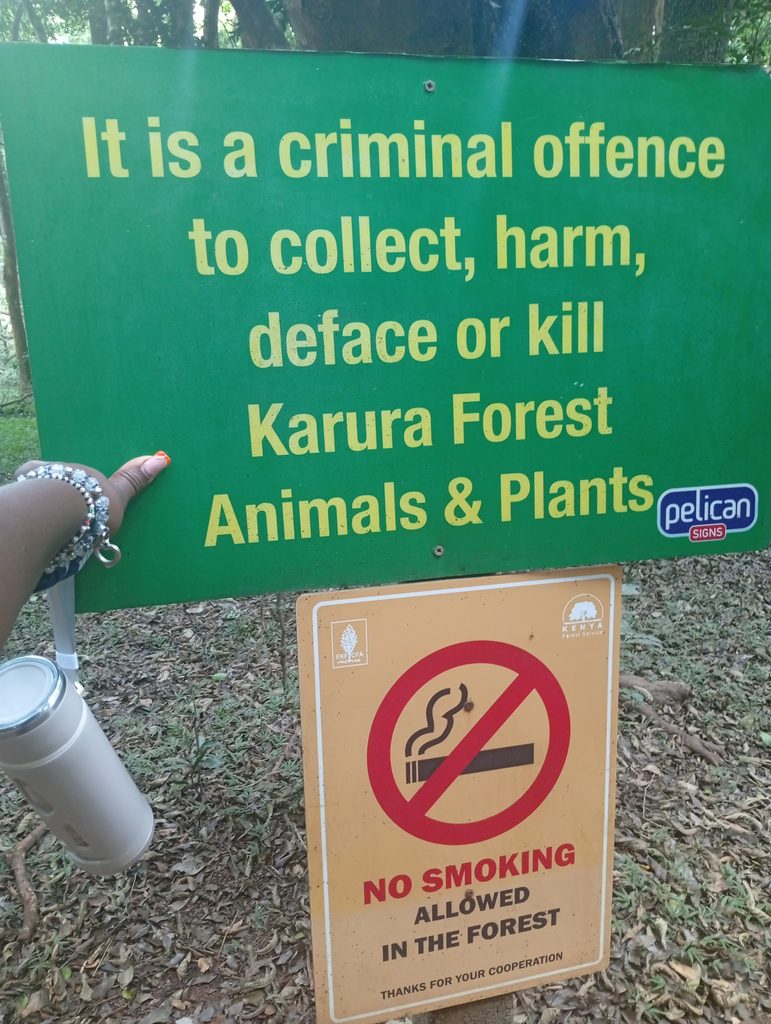
- Safety & Amenities: The entire perimeter is secure and electric-fenced. You will find clean, modern washrooms, drinking water points and friendly forest scouts patrolling on foot and bicycle throughout the day.
Estimated Budget & Visiting Information
Karura Forest is one of the most affordable and high-value day-trip destinations in Kenya. Below is the full estimated cost breakdown to help you plan your visit effectively (note that Karura Forest operates on a cashless payment system using M-Pesa, Visa or Mastercard only):
- Adult Entry Fee: KES 100 for Residents | KES 600 (Approx. $5.00) for Non-Residents
- Child Entry Fee (Under 12): KES 50 for Residents | KES 300 (Approx. $2.50) for Non-Residents
- Bike Rental (2 Hours): KES 500 for Residents | KES 500 for Non-Residents
- Picnic Grounds Access Fee: KES 150 per person for Residents | KES 150 per person for Non-Residents
- Parking Fee (Car/SUV): KES 200 per vehicle for Residents | KES 200 per vehicle for Non-Residents
- Average Dining at River Cafe: KES 1,500 – 3,000 per person for Residents | KES 1,500 – 3,000 per person for Non-Residents

Amboko diaries final recommendation
Visiting Karura Forest is more than just an outing,it is a rejuvenating experience that reconnects you with nature, boosts your health and honors the environmental legacy of Nobel Peace Prize laureate Wangari Maathai.
Whether you want to challenge yourself on a mountain bike, take breathtaking photos by the waterfall, explore Kenya’s rich history or simply unwind with a good book under a shady canopy, Karura delivers an unmatched experience right in the city.
Pack your walking shoes, grab your water bottle, bring your loved ones and head out to Karura Forest this weekend. Nature is calling!

